

How to Prevent Listeria Infections: Practical Steps to Keep Your Food Safe
Written by Staff Writer

How to Prevent Listeria Infections: Practical Steps to Keep Your Food Safe
A foodborne illness can happen to anyone, but some infections are more dangerous than others. One of the most serious is caused by Listeria monocytogenes, a bacterium that can contaminate a variety of foods and lead to a potentially life-threatening illness known as listeriosis.
While many people recover from mild symptoms, certain groups face a much greater risk of severe complications. The good news is that there are several simple actions consumers and food industry professionals can take to reduce exposure and help prevent infections.
Understanding Listeria and Listeriosis
Listeria is a type of bacteria commonly found in soil, water and animal environments. It can contaminate many products of animal origin as well as fruits, vegetables and processed foods.
What makes this bacterium particularly concerning is its ability to grow at cold temperatures. Unlike many other bacteria that slow or stop growing when refrigerated, Listeria can continue multiplying in a refrigerator over time. This characteristic makes it unique among many common foodborne pathogens.
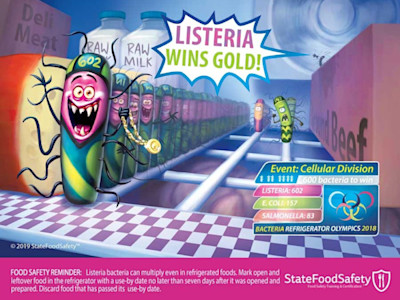
Consuming contaminated food can lead to listeriosis, a serious infection that may require hospitalization. In severe cases, the bacteria can spread beyond the digestive system and enter the bloodstream or nervous system.
Although listeriosis is less common than some other forms of food poisoning, it is responsible for a disproportionately high number of hospitalizations and deaths. This is one reason why public health agencies closely monitor outbreaks and issue recalls when contamination is discovered.
Recognizing Symptoms and Knowing When to Act
Symptoms of listeriosis can vary depending on the severity of the infection.
Common symptoms include:
- Fever
- Muscle aches
- Fatigue
- Headache
- Stiff neck
- Confusion
- Loss of balance
- Convulsions
Some individuals may first experience digestive symptoms such as nausea or diarrhea.
Because symptoms can resemble those of other illnesses, high-risk individuals should contact a healthcare provider immediately if they believe they have consumed contaminated food and begin to feel ill.
Early diagnosis and treatment can significantly improve outcomes.
Who Faces the Greatest Risk?
Anyone can become ill after consuming contaminated food, but some groups are much more vulnerable to severe illness.
People at higher risk include:
- Pregnant women
- Newborn babies
- Adults age 65 and older
- Individuals with weakened immune systems
- People undergoing cancer treatment
- Organ transplant recipients
- Individuals with diabetes, kidney disease or other chronic health conditions
For pregnant women, listeriosis may cause symptoms that resemble a mild case of the flu. However, the infection can lead to miscarriage, stillbirth, premature delivery or serious illness in a newborn.
Older adults and immunocompromised individuals are more likely to develop invasive bloodstream or central nervous system infections. Because symptoms may initially appear mild, these individuals should seek medical attention promptly if illness develops after consuming potentially contaminated food.
Foods Commonly Associated With Listeria
Many outbreaks involve foods that are consumed without additional cooking. Since these ready-to-eat foods are often eaten straight from the package, there may be no opportunity to kill bacteria through heating.
Foods frequently linked to Listeria include:
- Deli meats and sliced luncheon meats
- Hot dogs
- Refrigerated pâtés and meat spreads
- Soft cheeses and other unpasteurized dairy products
- Refrigerated smoked fish
- Raw sprouts
- Pre-cut fruits and vegetables
- Packaged salads
- Refrigerated seafood products
Certain foods may carry a higher risk if they are not handled properly during processing or storage. Consumers should pay close attention to recalls involving these products and follow any disposal instructions provided by health officials.
Health care providers often recommend that pregnant women avoid all items on this list and check product labels carefully. When dining out, they may also wish to ask their server about ingredients and preparation methods before ordering.
It is important to remember that contamination is not always visible. Food may look, smell and taste normal even when harmful bacteria are present.
Safe Food Handling and Preparation
Many cases of foodborne illness can be traced back to mistakes made during preparation. Fortunately, proper food handling practices can greatly reduce risk.
Wash Your Hands Often
Thorough and frequent handwashing is one of the easiest yet most effective ways to reduce the risk of contamination.
You should wash your hands:
- Before preparing meals
- Before eating
- After handling raw meat, poultry or seafood
- After touching pets
- After using the restroom
- After handling garbage
- After handling cleaning chemicals
Use warm, soapy water and scrub for at least 20 seconds. Pay attention to fingertips, fingernails and areas between fingers.
Wash Fresh Produce
Many fruits and vegetables are consumed raw, making proper cleaning[TG1] especially important.
Before eating or preparing produce:
- Rinse under running water
- Gently scrub firm produce when appropriate
- Remove damaged portions
- Dry with a clean paper towel
Even produce with peels that are not eaten should be washed first to reduce contamination during cutting.
Separate Raw and Ready-to-Eat Foods
One of the most effective ways to avoid cross-contamination is keeping raw meat, seafood and poultry separate from ready-to-eat foods.
Cross-contamination can occur when juices from raw foods come into contact with salads, sandwiches, fruit or other items that will not be cooked before consumption.
To help reduce cross-contamination:
- Use and change gloves when handling different items
- Use separate cutting boards
- Store raw meat on lower refrigerator shelves
- Use separate utensils for raw and cooked products
- Clean food-contact surfaces between tasks
Limiting contact with raw foods is particularly important when preparing meals for pregnant women or individuals with weakened immune systems.
Cook Items Thoroughly
Proper cooking destroys Listeria bacteria. Use a food thermometer rather than relying on appearance alone. Different ingredients require heating to a specific internal temperature, so follow the recommended cooking guidelines.
For high-risk individuals, reheating deli meats and hot dogs until steaming hot can provide an additional layer of protection.
Why Refrigeration Alone Is Not Enough
Many people assume that placing food in the refrigerator automatically makes it safe. Unfortunately, this is not always true.
Storing food in the refrigerator does not completely stop bacterial growth. Listeria can grow on foods even when they are refrigerated. While colder temperatures slow growth, they do not eliminate the bacteria.
This is why proper storage times are just as important as maintaining safe temperatures.
Keep your refrigerator at 40°F (4°C) or below and your freezer at 0°F (-18°C) or below. Use appliance thermometers to verify temperatures regularly rather than relying solely on factory settings.
In addition, avoid overcrowding the refrigerator. Air must circulate freely to keep all foods chilled at the right temperature.
To reduce risk, always mark open or leftover foods with a use-by date no longer than seven days after the item was opened or prepared. This simple habit can help keep families from consuming products that have been stored for too long.
Kitchen Hygiene: Your First Line of Defense
Kitchen cleanliness plays a major role in preventing contamination.
Listeria can survive on surfaces for extended periods under certain conditions. It may also hide in cracks, seals, refrigerator drawers and other difficult-to-clean areas.
After preparing meals:
- Clean countertops
- Wash cutting boards
- Sanitize utensils
- Remove food debris
- Empty trash regularly
- Wipe refrigerator shelves
A routine cleaning schedule can significantly reduce bacterial buildup.
Cleaning vs. Sanitizing
Many people use the terms interchangeably, but they are not the same.
To clean means removing dirt, grease and food residue. Sanitizing reduces bacteria to safer levels after cleaning.
For best results:
- Remove debris using warm, soapy water
- Rinse the area
- Apply an approved sanitizer
Many households use a bleach solution for sanitizing kitchen surfaces. When using disinfecting bleach, always follow label directions carefully and ensure it is appropriate for food-contact surfaces.
A properly prepared bleach solution can help disinfect areas where contamination may occur.
The Role of Food Handlers and Managers
While consumers play a critical role in food safety, food handlers and managers also help reduce the risk of Listeria outbreaks.
In restaurants, grocery stores and commercial kitchens, employees can help protect customers by:
- Recording intake dates
- Monitoring refrigeration temperatures
- Following cleaning schedules
- Properly rotating inventory
- Preventing cross-contamination
- Discarding expired products
- Following established food safety guidelines
Training programs emphasize the importance of sanitation and temperature control because small mistakes can have serious consequences.
Managers are also responsible for ensuring employees understand safe handling procedures and respond appropriately to recalls or contamination concerns.
Food Manufacturing and Listeria Control
Preventing contamination begins long before food reaches consumers.
Food manufacturing facilities invest significant resources into sanitation programs because Listeria can establish itself within production environments. Drains, floors, equipment and hard-to-reach areas can all become reservoirs for bacteria if not properly maintained.
To reduce risk, manufacturers often:
- Conduct environmental testing
- Monitor processing areas
- Implement sanitation verification programs
- Investigate contamination sources
- Perform routine equipment cleaning
These efforts help prevent contaminated products from entering the marketplace.
Major Listeria Outbreaks in Recent Years
Several high-profile Listeria outbreaks over the past decade demonstrate how contamination can occur at multiple points in the food supply chain.
Clover Hill Dairy (2026)
Contaminated requeson (soft cheese) produced by Clover Hill Dairy, LLC of Mechanicsville, Maryland, was recalled after a Listeria outbreak resulted in eight illnesses, eight hospitalizations, and one death across three states. The company later expanded the recall to include all cheese products manufactured at its facility. The investigation remains active as of late June 2026.
Boar's Head (2024)
A multistate outbreak linked to Boar's Head deli meats sickened 59 people across 19 states, resulting in 59 hospitalizations and 10 deaths. The company recalled more than 7 million pounds of product after investigators identified sanitation failures at a Virginia production facility.
Real Kosher Ice Cream (2023)
Real Kosher Ice Cream recalled its “Soft Serve On The Go” products after an outbreak that resulted in two hospitalizations. The investigation demonstrated that frozen foods can also serve as a source of contamination.
HMC Farms (2023)
Peaches, nectarines and plums distributed by HMC Farms were linked to 11 illnesses, 10 hospitalizations and one death. The outbreak highlighted the potential for contamination in fresh produce.
Dole (2021)
Packaged salads produced by Dole were linked to 18 illnesses, 13 hospitalizations and two deaths across 13 states. Investigators traced the outbreak to contamination within the company's processing operations.
Fresh Express (2021)
A separate outbreak associated with Fresh Express salads caused 10 illnesses, all of which required hospitalization, and resulted in one death. The recall affected numerous store-brand and national salad products.
These incidents demonstrate that Listeria can contaminate a wide range of foods and reinforce the importance of sanitation, environmental monitoring, recall awareness and proper handling practices.
Staying Informed and Prepared
One of the easiest ways to reduce risk is to stay informed about recalls and public health alerts.
Both consumers and food industry workers can:
- Monitor FDA and CDC announcements
- Check recall notices regularly
- Follow safe storage recommendations
- Discard recalled products immediately
- Keep refrigerator temperatures monitored
- Review expiration and use-by dates
Staying aware and understanding what to do in the event of an outbreak can go a long way toward protecting your household or establishment.
Building Better Food Safety Habits
Preventing Listeria infections does not require complicated equipment or extensive training. Consistent food safety habits can significantly lower your risk of exposure.
Keep things clean, practice proper storage techniques, separate raw and ready-to-eat items and pay close attention to expiration dates and recalls. Remember that refrigeration slows bacterial growth but does not eliminate Listeria.
Whether you are a consumer or work in food service, following these prevention tips can help you protect yourself, your loved ones and your community from a potentially serious illness.