

StateFoodSafety Articles

How to Tell if Someone Is Drunk: Signs, Stages and When to Get Help
This article explains how to recognize the signs and stages of intoxication — which can be inconsistent and delayed because of how individual bodies processes alcohol — and offers guidance for servers on when to intervene and when to call for help.
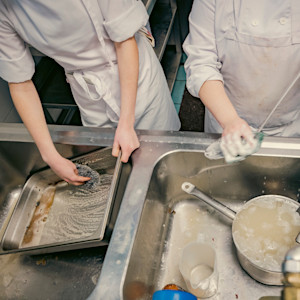
The Five Steps for Using a Three-Compartment Sink
A three-compartment sink is only useful when each step is done correctly. Follow the full process for washing, rinsing, sanitizing and drying dishes.

What Is the Correct Order of Steps for Hand Washing?
Learn the correct order for washing your hands, when food employees should wash and how proper handwashing helps reduce contamination and food safety risks.

Understanding Food Hazards: Biological, Chemical and Physical Risks
From harmful bacteria to foreign objects, discover the major risks that threaten food safety and practical ways to prevent contamination.

Texas TABC and Food Handler Certification Requirements
Get a clear overview of Texas alcohol and food safety certifications and learn what workers and employers need to stay compliant.

How Long Can Hard-Boiled Eggs Sit Out?
Hard-boiled eggs stay at room temperature for long. Learn how long they can sit out, when to refrigerate them, and when to throw them away.

Bartender Training, Licensing and State Laws You Must Meet for Legal Service
Thinking about bartending? Learn the certifications, age requirements, experience and practical skills you need to start serving legally.
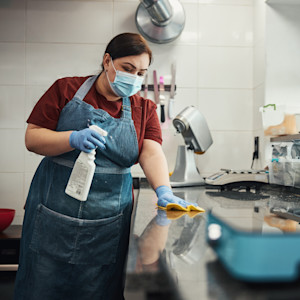
Sanitize vs. Disinfect: What’s the Difference?
Choosing between sanitizing and disinfecting depends on the surface and the type of contamination. Learn the key differences and how to use each process correctly.

Mastering Menu Engineering, Portion Control and Inventory to Optimize Food Cost and Boost Restaurant Profitability
Take control of rising food costs with practical strategies for smarter ordering, portion control, inventory management, menu engineering and waste reduction.

Texas Hospitality Certification Bundle: Ensuring Safe Food Handling and Responsible Alcohol Service
Need Texas hospitality certifications? Learn how food handler and TABC courses work, what they cost and how long your credentials remain valid.

Food Expiration Dates: Guidelines for Safer Storage
Knowing how to read food expiration date labels can help you make safer, more informed choices. Learn the difference between sell-by, best-by and use-by dates and when food should actually be discarded.

Understanding RBS Certification Requirements for Security Personnel at Alcohol-Serving Establishments
Find out when California security personnel need RBS certification, how quickly they must qualify, and which duties may qualify for an exemption.

A Practical Guide to Restaurant Crisis Management
Owning or running a restaurant is a dream for many, but it’s a dream that can quickly turn into a nightmare when problems occur. A crisis management plan can help reduce the impact of unforeseen events and ensure you’re prepared with a coordinated, efficient response.

Bartending License Requirements and Certification Process Mandated by State Law
Do you need a bartending license? Explore state and local requirements, alcohol server training, permits and employer certification expectations.

Washing Fresh Fruits and Vegetables: A Practical Safety Guide
Fresh produce like spinach, cantaloupe, and lettuce has caused foodborne illness outbreaks affecting millions annually. This guide explains how to properly clean fruits and vegetables using running water and simple techniques to remove bacteria and dirt.

A Short & Simple Guide to Restaurant Waste Management to Prevent Pests and Improve Sustainability
It may not be glamorous, but proper waste management is critical to restaurant operations. Find out how to develop effective waste management strategies and learn about industry best practices that will help you reduce risks posed by pests and improve sustainability.

Understanding Florida Cottage Food Operation Rules, Allowed Foods and Safety Requirements
Thinking about starting a home-based food business in Florida? Learn which foods you can sell, sales limits, labeling rules and delivery requirements.

Michigan Bartender Certification and Alcohol Server Training Requirements Explained
Planning to bartend in Michigan? Discover whether a license is required and what you need to know about alcohol server training and certification.

How to Spot a Fake ID and Prevent Underage Alcohol Sales
Alcoholic beverages are age-restricted products, but minors still find ways to get their hands on them, often by using fake IDs. Lean the telltale signs of a fake ID, what to ask customers to verify authenticity, how to refuse service and what's at stake if you sell or serve alcohol to a minor.

How Georgia Bartenders Can Obtain Alcohol Server Certification Through State-Approved Online Training
Georgia bartending rules vary by location. Discover how to find approved training, earn certification and meet local alcohol service requirements.

Storing Ready-to-Eat Foods: When to Refrigerate and When to Leave Out
Storing ready-to-eat food safely prevents cross-contamination and foodborne illness. Get guidance on temperatures, containers and shelf placement for perishable and non-perishable goods.

ANAB Food Safety Essentials Program Information
Many states require food handlers to get certified through an ANAB accredited training program. Learn more about our nationally accredited courses and how to obtain your certificate.

How to Get Better Tips as a Server: Strategies to Increase Your Earnings
Want to earn more tips as a server? Learn how to increase your earning potential with these easy tactics.

Food Traceability Systems: What They Are and Why They Matter
Foodborne illnesses can spread quickly and widely through the food supply chain. But vigilant enforcement of food safety practices combined with a reliable food traceability system can greatly reduce the prevalence and severity of outbreaks.

Food Delivery Safety: How to Handle Takeout, Groceries and Meal Kits
Ordering in doesn't mean skipping food safety. Learn how to check temperatures, spot damaged packaging and handle takeout, delivery, groceries and meal kits safely from the moment they reach your door.

How to Handle a Plate When Serving Food: Professional Techniques Every Server Should Know
Servers can learn plate-handling techniques to make their shift easier and provide better service to guests.

What to Do When a Food Recall Happens: A Guide for Food Service Operations
Learn what to do when a food recall occurs, from identifying and quarantining affected products to sanitizing equipment and staying compliant with product safety regulations.

Why You Should Always Use a Licensed Pest Control Service
If you have a pest problem in your bar or restaurant, you need to take care of it quickly. Though you might be tempted to do it yourself, using a licensed pest control operator is always the best and safest option.

Six Reasons to Maintain Commercial Kitchen Equipment
From cleaning schedules to professional service contracts, discover how regular upkeep extends the life of your commercial kitchen equipment, cuts utility costs and protects your staff.

Are Hand Dryers Sanitary? Choosing the Safest Drying Method
Paper towels, hand dryers or reusable towels? This guide compares hand-drying options and explains which method best supports food safety.

Five Tips for Receiving Quality Meat
How do you know if a meat delivery is safe to accept? Follow these five key receiving tips to protect your kitchen, your customers and your bottom line.

Dented Cans and Botulism: How to Know What’s Safe
Not every dented can belongs in the trash. Learn how to tell the difference between minor damage and warning signs that could make canned food unsafe.

Restaurant Manager Tips: Six Ways to Run a Better Operation
From staffing challenges to guest concerns, restaurant managers handle problems that can change from one shift to the next. These tips can help you stay organized, support your employees and improve daily operations.

How to Prevent Listeria Infections: Practical Steps to Keep Your Food Safe
Learn how to prevent Listeria contamination with practical food safety tips on storage, handling, cleaning and what high-risk groups should avoid.

Giving Up Gluten: The Benefits, the Drawbacks and When It Is Necessary
A gluten-free diet is a medical necessity for some and a personal choice for others. Here’s what to consider before making the switch.

The Importance of Practicing Safe Hygiene as a Food Industry Worker
Millions get sick from foodborne illness each year. Discover the hygiene habits every food industry worker needs to prevent contamination, stay compliant and keep customers safe.

Standards for Slicing Deli Meats and Cheeses
Struggling to achieve consistent slices of meat and cheese? Learn how customers and workers can better communicate the desired thickness of deli products.

Are Service Dogs Allowed in Restaurants?
Pets aren't allowed in food establishments, but service dogs are. Here's what that means for your staff and your obligations under the ADA.

The Meaning, Origins and Benefits of Call Drinks
Call drinks are an important part of any bartender’s kit. Learn how you can accommodate and encourage guests as they request specific liquors for their alcoholic beverages.

Charting Cuts of Beef and What to Do with Them
Getting the most out of your meat is both an art and a science. Learn the major cuts of beef and where on the cow each one is located.

Understanding What GMO and Non-GMO Mean for Food Safety
Genetically modified organisms are widely used in the global food chain. Find out what defines a GMO, how these engineered products differ from unmodified ones and why customers might prefer one over the other.

Mastering Your Mixes: The Ins and Outs of Liquors and Liqueurs
While the words sound similar, liquor and liqueur are different products with very different uses. Learn what separates these crucial mixology tools and how you can use them together to make better beverages.

Food Safety Glossary
Confused by terms such as TCS food, cross-contact or HACCP? This practical glossary explains essential food safety terminology in clear, approachable language.

Camping and Hiking Food Safety Guide
Food safety matters beyond the kitchen. This practical guide helps families, hikers and scout leaders prepare safer meals, protect drinking water and avoid illness outdoors.

The Importance of Proper Refrigeration for Food Safety
Your refrigerator plays a key role in food safety. This guide covers the basics of safe fridge storage, from temperature checks to proper shelf organization.

How to Cook Steak to the Right Temperature
A browned steak can still be undercooked inside. This guide explains safe steak temperatures, doneness levels, thermometer tips and how to handle and store beef.

Reasons to Call in Sick as a Food Service Worker
Whether you're sick, injured or facing an emergency, here's what food service workers need to know about calling out of work.
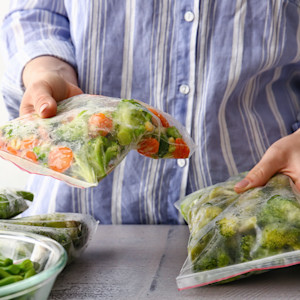
Freezer Burn vs. Ice Crystals: What’s the Difference?
Learn the difference between freezer burn and ice crystals, what causes them and when frozen food is still safe to eat.

Sesame Allergy Foods and Ingredients to Watch For
Learn which foods and ingredients may contain sesame, how to read labels and what steps can help prevent accidental exposure at home or when eating out.

Fish Delivery Receiving Guide for Restaurants and Grocery Stores
Seafood receiving is one of the first chances for you to stop unsafe or poor-quality products from entering your operation. Use this guide to learn what to check and when to reject a delivery.

How to Use Color-Coded Cutting Boards in Your Kitchen
Color-coded boards are a simple tool for safer food prep. Learn how commercial kitchens use this system to separate different foods.

How Long Is Food Good in a Fridge Without Power?
When the power goes out, time and temperature matter. Use this guide to understand how long your fridge and freezer can keep food safe and how to know if food can be kept or thrown away.

Food Defense Strategies for Industry Compliance
Food defense planning helps facilities prepare for intentional adulteration risks before they become serious problems. Learn how to build a plan that fits your operation, supports compliance and gives employees clear steps to follow.

Bartending License vs. Certification: What You Need to Know
A bartending license helps you meet alcohol service requirements, while certification can help you build bar skills. Here’s how to tell which one you need before your first shift.

Food Handler Handwashing Locations & Best Practices Guide
Knowing where to wash hands is a basic food safety skill every food handler needs. Learn which sinks are approved, which ones are off limits and how proper handwashing protects both food workers and customers.

Cleaning Cantaloupe Safely: Your Essential Guide
Before you slice into a cantaloupe, take a minute to wash it the right way. This guide explains why cantaloupe needs extra care and what steps help keep cut fruit safe.
How Long Can Cooked Vegetables Keep in the Fridge?
Leftover vegetables are useful for quick meals, but safe storage matters. Learn how long cooked veggies last, how to cool and refrigerate them properly and how to tell when they are no longer safe to eat.
FATTOM in Food Safety: Conditions for Bacterial Growth & How to Control Them
FATTOM explains the six conditions that allow harmful bacteria to grow in food. Learn what each factor means, why it matters and how food handlers can control risk at every stage.

Guide to CMS Dietary Regulations for Nursing Homes
From therapeutic diets to meal service and sanitation, CMS dietary rules affect nearly every part of a nursing home’s nutrition program. This article breaks down the rules and what they mean for day-to-day compliance.

USDA vs. FDA Food Regulation Explained
The USDA and FDA both help keep food safe, but they do it in different ways. This article breaks down who regulates what, how the systems differ and what those differences mean for businesses and consumers.

How to Clean Restaurant Hoods: Complete Guide to Safety & Efficiency
Keep your kitchen safe and compliant with our guide to restaurant hood cleaning, covering grease buildup, filters, ducts and maintenance schedules.

SQF Certification: Elevating Food Safety and Quality Standards
Understand the requirements and steps to achieve Safe Quality Food certification. Enhance your food safety system and build consumer trust with this robust standard.

Why No Bare Hand Contact Matters for Ready-to-Eat Foods
From salads and sandwiches to cut fruit and garnishes, ready-to-eat foods need careful handling to prevent spreading illness. This article explains the risks, rules and practical food safety habits that help keep customers safe.

How to Make Ingredient Labels: A Practical Step-by-Step Guide
Ingredient labels are more complex than they seem. This guide shows you how to create labels correctly, from ordering ingredients by weight to declaring allergens and designing a panel that meets FDA requirements.

Guide to Creating a Sanitation Program in a Food Plant
Sanitation is a key element of food plant safety and compliance. This article covers the practical steps and program elements that help facilities stay clean, controlled and inspection ready.

Protect Your Business & Plumbing: A Guide to Grease Trap Upkeep
Keep your kitchen's grease removal unit in top condition. Our guide covers vital steps for routine servicing, preventing overflows and maintaining compliance standards.

How Far Above the Floor Should Food Be Stored?
Keep your storage areas clean, organized and inspection ready. Learn how high food should be stored, what exceptions exist and how to prevent cross-contamination on shelves.

How Long Can You Leave Food Out?
Bacteria can grow fast when dishes are left out too long. Discover how long different ingredients can be kept at room temperature, why some items are more sensitive to time and temp controls than others and what you can do to protect consumer safety.

Chemical Hazards in Food: Types, Sources and Prevention
Learn about chemical food hazards, including types, sources, health risks and prevention tips for consumers and food workers to keep meals safe and reduce exposure to harmful contaminants.

Complete Guide: How to Calibrate a Thermometer
Learn the right way to calibrate thermometers, why it matters to food safety and how often to test temperature gauges for accuracy.

Deciphering Kosher Symbols: Your Guide to Certified Foods
Learn how to identify kosher certification symbols, avoid confusion with labels and shop confidently for certified products.

Building Safe and Trustworthy Food Systems Through Quality Control
Learn about quality control in the food and beverage industry and how to implement effective protocols, including food safety systems, inspections, continuous improvement strategies and real-world examples.

Restaurant Food Safety Compliance and How Enforcement Works
This guide explains who enforces food safety in U.S. restaurants, how federal agencies influence the rules and what your local health department actually checks during inspections.

The Ultimate Cleaning Guide for Restaurants (with Free Downloadable Checklist)
Keeping a clean restaurant is essential for passing health inspections and ensuring customer satisfaction. Learn about proper cleaning protocols and download a free checklist to follow!

What Food Handlers and Managers Need to Know About Audits
Learn all about the auditing process, what inspectors look for and how food handlers and managers can prepare to ensure compliance, reduce risks and protect public health.

Understanding Critical Limits for Food Safety in HACCP Programs
Critical limits set the boundaries for safety at critical control points in an HACCP program. Use this guide to define measurable limits, monitor them during production and respond quickly when a limit is missed.

Understanding Food Contamination: What Food Handlers Should Know and How to Prevent It
Discover what leads to food contamination, how to prevent it and why proper food safety training protects consumers, workers and businesses alike.

The Hidden Dangers of Fraud and What It Means for Food and Beverage Professionals
Fraud is a growing threat in the global food supply chain. Explore common adulteration practices, regulations, recalls and how industry professionals can prevent them.

Training Tip: Cleaning and Sanitizing
Many managers hold monthly, weekly or even daily training sessions to make sure that employees remember essential food safety principles. Follow these training tips to improve food safety at your establishment.