
Food Handler Handwashing Locations & Best Practices Guide
Written by Staff Writer
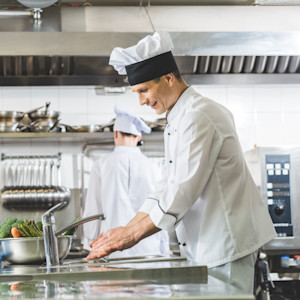
Food service has a rhythm. Prep finishes, orders come in, dishes stack up, surfaces get wiped and workers move quickly from one task to the next. Throughout the process, staff need to take time for frequent, effective handwashing.
Proper handwashing means more than scrubbing well and using soap. When and where also matter. Workers must use the right sink and make handwashing part of their regular routine. This helps keep the shift moving while keeping customers’ food safe.
Where Is It Acceptable for Food Workers to Wash Their Hands?
Workers should only wash their hands at a designated handwashing sink. That sink should exist for one purpose: to clean hands. Nothing else.
They should never wash their hands in prep sinks, dish sinks, utensil sinks, mop sinks or any sink used for waste, even if it looks clean. These areas often contain and spread contaminants invisible to the naked eye.
Workers’ hands can quickly spread germs to food and food-contact surfaces when washed improperly — or not washed at all. The Centers for Disease Control and Prevention (CDC) reports that this type of contamination accounts for about 9 in 10 outbreaks caused by worker-related contamination.
Handwashing is one of the most effective ways to reduce this risk. CDC data shows that handwashing education can reduce community diarrheal illness by 23% to 40%.
However, not all handwashing is equal. Done in the wrong place, it can create the very problem it is meant to prevent. That’s why a designated sink is part of good handwashing practices.
Features of a Compliant Handwashing Sink
To be effective and comply with food safety regulations, a sink has to check a few boxes. It must include:
- Hot and cold running water to ensure comfortable and effective cleaning.
- A soap dispenser with an adequate supply of hand soap.
- Disposable paper towels or an air dryer.
- Visible signage reminding employees to wash properly and frequently.
- A nearby waste receptacle for disposing of used paper towels.
Sinks should always be easily accessible. Managers must ensure that these facilities are never blocked by obstacles like equipment or supplies.
When Food Handlers Should Wash Their Hands
Workers should wash up in all situations in which contamination could occur, including but not limited to:
- Before starting work and after breaks.
- After using the restroom or touching any part of the body, including hair, face or nose.
- After handling uncooked meat, poultry, seafood or eggs.
- After touching dirty dishes, utensils or equipment.
- After handling garbage or cleaning chemicals.
- After coughing, sneezing or blowing their nose.
- After eating, drinking, smoking, vaping or using their phone.
To put it simply, if hands have touched something you wouldn’t want in a customer’s food, they need to be washed before the next task.
How to Wash Hands Properly
Food handlers should wash with soap and running water at a designated handwashing sink. Everyone working in the kitchen or running food should follow these steps every time:
- Use clean, running water. Place your palms under the running water before adding soap so that it can spread evenly and work effectively.
- Apply soap. Build a good lather on all surfaces.
- Scrub thoroughly. You should scrub for at least 10 to 15 seconds. Clean your palms, backs of hands, between fingers, fingertips, thumbs, wrists and under fingernails.
- Rinse well. Hold your hands under clean, running water until soap and residue have been washed away completely.
- Dry your hands right away. Use a single-use paper towel or an approved hand dryer. Avoid using an apron, uniform or towel used for another task.
- Avoid recontamination. Use a paper towel, your elbow or a specially installed foot pedal to turn off the water.
The full process should take about 20 seconds. That may feel like a long time in a busy kitchen, but every second is necessary to give soap and scrubbing time to work properly.
The Role of Management and Training
During a rush, workers make quick choices. They may switch from clearing plates to running food, grabbing a towel, restocking or touching a screen without much time to stop and think. This is where good, consistent management makes a difference.
Instead of only reviewing rules in a handbook, managers can point out teaching moments during a shift, such as after bussing a table, before handling ready-to-eat foods, after taking out trash or after touching raw meat. Those small corrections help workers connect the rule to the task in front of them and make good habits second nature.
A StateFoodSafety Food Handler Card course can help workers build those basic skills before they step onto the floor. The course covers topics including personal hygiene, cross-contamination and safe food handling, so employees know the habits they are expected to use during real shifts. When workers understand the reason behind the rule, they are more likely to follow it when the kitchen gets busy.