

Debunking Five Alcohol Service Myths
Written by Staff Writer
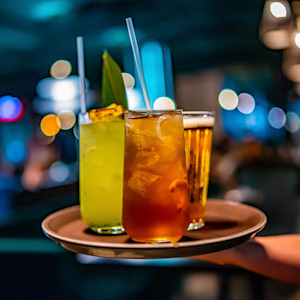
Anyone who sells or serves alcoholic beverages knows that keeping customers safe comes first. But even servers with solid responsible service habits may be relying on a few things they picked up from bar lore rather than facts.
Many popular beliefs about drinking sound reasonable, but they don’t hold up. And for people who serve alcohol, these myths matter. Getting the facts wrong can impede your ability to spot impairment and how you respond when a situation turns risky.
See how many of these five myths you can separate from the facts.
Myth 1: “A Cup of Coffee Will Sober Customers Up”
Fact: Only time lowers a person’s blood alcohol concentration (BAC). The body processes alcohol at a fairly steady rate, and caffeine doesn’t speed that up.
Coffee can make someone feel more awake, but feeling alert isn’t the same as being sober. A guest who’s had a few drinks can still have poor judgment, slow reactions and shaky coordination, no matter how much java they consume. Worse, a customer who feels sharper may be more confident about driving.
The same goes for food. Eating before or while drinking can slow how fast alcohol enters the bloodstream, which may keep BAC from climbing as quickly. However, it won’t eliminate alcohol that’s been consumed. And if someone keeps drinking faster than their body can process each round, their BAC will keep rising anyway.
So, when a guest has had too much, the best way to help them is to stop alcohol service and follow your establishment’s procedures for handling intoxicated customers.
Myth 2: “Some People Can Handle Their Liquor”
Fact: Tolerance changes how drunk someone looks, not how much alcohol is in their system.
Regular drinkers often learn to act normal. They can hold a conversation, walk a straight line and seem relaxed. But heavy use only builds that kind of outward tolerance. It doesn’t protect the brain and nervous system from alcohol’s effects.
That’s what makes this myth risky. It lets customers and servers underestimate impairment. Someone who brags about holding their liquor isn’t any safer behind the wheel or any better at making decisions. If anything, believing they can handle it may keep them ordering.
Body size and drinking pace matter too. The National Institute on Alcohol Abuse and Alcoholism (NIAAA) points to age, sex, sensitivity to ethanol, speed of drinking, medications and how much someone has eaten as factors that change alcohol’s impact.
Look past how drunk a customer seems. Shifts in mood, speech, coordination and decision-making are better clues.
Myth 3: “If the ID Looks Real, It Probably Is”
Fact: If you doubt the authenticity of someone's identification or the person holding it, don’t serve them.
Minors often borrow an older sibling’s ID, carry a forgery or use a card that looks legitimate until you notice the details don’t match the person in front of you. A quick glance won’t catch any of that.
Know which IDs your establishment accepts, how to check them and when to bring in a manager. If something feels off, whether it’s a questionable card, a suspected borrowed ID or just a customer who makes you uneasy, get a supervisor involved before you make the sale.
Refusing service has no penalty. Serving a minor can mean losing your job, paying fines or facing criminal charges, and your establishment could face administrative, criminal and civil liability. When in doubt, say no.
Myth 4: “Three Shots Pack More Alcohol Than Three Beers”
Fact: The type of drink doesn’t tell you how much alcohol someone consumed. Serving size and concentration do.
That’s the idea behind the standard drink. In the U.S., one standard drink contains about 14 grams (0.6 fluid ounces) of pure alcohol. You’ll find that in a 12-ounce beer at 5% alcohol by volume (ABV), a 5-ounce glass of wine at 12% ABV or a 1.5-ounce shot of 80-proof spirits. Three of any of those add up to about the same amount of alcohol.
The catch is that plenty of drinks aren’t standard. A 12-ounce craft beer at 10% ABV has roughly twice the alcohol of a regular beer, and a generous wine pour can easily top one standard drink. So “I only had two beers” doesn’t tell you much without knowing which beers.
Speed counts too, because drinking quickly makes BAC rise faster. Genetics, age and body composition play a part as well.
Since you can’t work out a customer’s exact BAC just by counting drinks, pay attention to pour sizes and ABV, and keep watching how the guest is acting.
Myth 5: “If a Customer Insists on Driving, Stop Them Physically”
Fact: Do everything you can to talk an impaired customer into another ride home, but don’t physically restrain them.
Grabbing keys or blocking a door can get someone hurt, and it’s not a typical server’s job. Instead, follow your establishment’s policies and local laws. That might mean offering to call a taxi or rideshare, reaching a sober friend or family member or bringing in a manager.
Never put yourself in unnecessary physical danger. If a customer turns aggressive or insists on driving despite your efforts, follow your procedures for contacting the authorities.
Why These Myths Matter
Each myth leads to a specific serving mistake. Believing that coffee sobers customers up might lead to service being restarted too soon. Assuming a regular can handle it might keep drinks coming. Misjudging standard drinks can make a server underestimate what a guest has actually had.
The bigger picture matters too. The World Health Organization (WHO) calls alcohol a toxic, psychoactive and dependence-producing substance, and the Centers for Disease Control and Prevention (CDC) says all alcoholic beverages raise the risk of certain cancers. That doesn’t mean every drinker will have health problems, but claims that social drinking is harmless, or that one type of drink is gentler than another, deserve some skepticism.
Medications are another blind spot. Alcohol can interact dangerously with certain drugs, causing drowsiness, poor coordination, breathing trouble or even overdose. Sleep aids, anti-anxiety medications and opioids are especially concerning.
Quick Takeaways
- Coffee and food don’t sober anyone up. Only time does.
- Tolerance hides impairment. It doesn’t erase it.
- When an ID or a customer’s age seems questionable, refuse the sale and involve a manager.
- A standard drink has the same amount of alcohol whether it’s beer, wine or liquor, but many drinks are bigger or stronger than standard.
- Never encourage an impaired customer to drive, and never put yourself in physical danger to stop them.
You don’t need to memorize every sign of intoxication or predict how every drink will hit every guest. Know the basics, notice when a customer’s behavior changes and call in a manager when you’re unsure.
Other Frequently Asked Questions
Does drinking beer before liquor prevent a hangover?
No. The order doesn’t matter. Hangover severity depends mostly on how much alcohol you drink and how fast. The “beer before liquor” saying probably sticks around because people tend to move to stronger drinks later in the night, when they’re already impaired and losing track of their count.
Does dark liquor cause worse hangovers than clear liquor?
It can contribute. Whiskey, bourbon and dark rum have more congeners, which are byproducts of fermentation and aging, than vodka or gin. Congeners are linked to worse hangover symptoms, but the total amount of alcohol still matters more than the color.
Can a few drinks help you sleep?
Not really. Alcohol may help you fall asleep faster, but it disrupts sleep later in the night and lowers overall sleep quality.
Does drinking alcohol warm you up?
It feels that way, but it isn’t true. Alcohol widens blood vessels near the skin, pulling warm blood away from your core. You feel warm even as your core temperature drops, which is why drinking in cold weather can increase the risk of hypothermia.
Why do some people get drunker than others after the same number of drinks?
Genetics play a big role. Two enzymes, ADH and ALDH, break down alcohol. How much of each you have and how well they work varies from person to person. Age, sex and body composition add to the differences.
Is a daily glass of red wine good for your heart?
No. Some studies have linked light to moderate wine drinking with heart benefits, but research hasn’t shown that wine causes better heart health. Healthier diets and lifestyles among moderate drinkers may explain those findings, and the flavonoids in red wine also show up in foods like grapes and blueberries.
The American Heart Association doesn’t recommend starting to drink red wine for heart benefits. The WHO goes further, saying no level of alcohol consumption is completely risk-free, and the USDA Dietary Guidelines note that drinking less supports better overall health.
Test Your Knowledge
How did you do? Did any of these myths surprise you?
Use these questions to start a conversation with your team. Regularly reviewing safe service practices helps everyone stay prepared for tough situations and make better calls on the job.
For more comprehensive instruction, check out our online alcohol seller-server course.