

How to Tell if Someone Is Drunk: Signs, Stages and When to Get Help
Written by Staff Writer

It can be difficult to tell when someone has had too much to drink. The signs aren’t always necessarily clear, and they don’t always arrive in order. Because of how people process alcohol, a person can appear steady and normal in one moment and fall over the next. A pint of beer or a glass of wine keeps working long after the last drink is poured, making it difficult to judge a person’s condition if they’ve been consuming too much.
The important thing for any server — or a friend trying to keep another friend safe at a bar — is to know what to look for. Intervening before intoxication goes too far can be the difference between a simple rough night and a truly dangerous situation for the intoxicated person and others. This guide covers the signs of intoxication, why they vary so much from person to person and when to stop watching and call for help.
Immediate Physical Signs of Intoxication
Alcohol is a central nervous system depressant. That means it slows down the system in a person’s body that operates speech, movement and reaction time. That’s what you see when you observe a drunk person. A few of the tells include:
- Slurred or rambling speech
- Balance problems such as swaying or stumbling
- Fumbling when attempting to execute simple tasks like dropping your phone, being unable to insert your key in its keyhole or opening doorknobs
- Bloodshot or glassy eyes
- A sweating and/or flushed face
- Slowed reflexes, including a reduced gag reflex (this one is critical, as a person’s gag reflex helps prevent choking if they vomit while lying down)
- Drowsiness, hiccups or an upset stomach
Any of these taken on their own can have a completely innocent explanation, and context is important. But when several of them are taken together, it’s a good bet alcohol was involved.
Behavioral Indicators and Mood Changes
Changes to an intoxicated person’s behavior can appear subtle at first before massive swings take hold like an avalanche. It can also cause people to act out of character. Alcohol makes people feel less inhibited. A typically shy, reserved person may become boisterous and chatty. Another person who is usually mild-mannered may turn short-tempered and become agitated by a seemingly inconsequential argument.
Keep an eye out for mood swings that occur faster than they should. Oversharing can also be a sign of intoxication — particularly if the person volunteers personal information that seems odd to share in context.
Another common indicator is impaired judgment. If you’ve been drinking with a person, and they indicate they’re “okay to drive” despite all evidence to the contrary, they are likely intoxicated. Unfortunately, a drunk person is often the last to notice their condition while not being happy to hear about it.
Cognitive and Psychological Effects
As a person’s blood alcohol concentration (BAC) rises, their ability to think slows down. Their memory gets foggy. You may notice them repeat questions. Or perhaps you’ll notice they drop a conversational thread in mid-sentence. They might get easily confused by simple asks.
At higher intoxication levels, a person can black out, which is when a person stays awake but forgets everything that happened the next day. If someone seems confused over where they are or who they came with, they have likely moved past being simply tipsy and require additional help.
Factors That Influence How Intoxication Appears
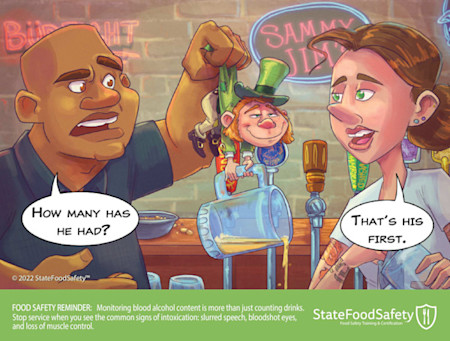
There are many factors that shape how a person processes alcohol. It’s more than a simple matter of how many drinks a person has consumed. Some mitigating factors include:
- Size: A smaller person reaches a higher BAC on the same amount.
- Sex: Differences in body water and enzymes mean women often hit a higher BAC than men after the same number of drinks.
- Food: Drinking on an empty stomach gets alcohol into the bloodstream faster and harder.
- Pace: The liver processes only about one standard drink per hour. Consuming alcohol faster than that can worsen the degree of intoxication.
- Tolerance: The more you drink, the more it will take to get you to appear or act drunk. That sounds like an advantage, but it’s not. The dangers still exist, but they’re just harder to spot.
- Medication: Plenty of prescription and over-the-counter drugs sharpen alcohol's effects or react badly with it, which is why the label warnings are worth taking seriously.
The takeaway: err on the side of caution rather than the reassurance of “I’m fine.” A high-tolerance drinker can look composed and still be sitting at a BAC that puts them and others in real danger.
The Stages of Alcohol Intoxication
Drinking tends to move through recognizable stages as BAC rises, though the ranges overlap and no two people track them identically. For reference, a standard drink in the U.S. means about 14 grams of pure alcohol: a 12-ounce beer, a 5-ounce glass of wine or a 1.5-ounce shot of spirits. Below are the stages through which a person will move as they get progressively more intoxicated, based on BAC measured in grams/100 mL of blood:
- Euphoric (0.03–0.12): This is when the person is relaxed and talkative. They may appear more bold and confident, with judgment and reaction time starting to noticeably slip.
- Excitement (0.09–0.25): This is when slurred speech starts to take hold. The person’s memory and coordination will start to suffer as well.
- Confusion (0.18–0.30): In this stage, the person will appear disoriented and potentially go through major emotional swings. This is the common stage for blackouts to occur.
- Stupor (0.25–0.40): At this stage, the individual will likely experience a near-total loss of function. The person may be unable to stand and could vomit, potentially fading in and out of consciousness. This is a medical emergency.
- Coma (0.35-0.50): Here, the person will become unconscious. This stage is characterized by a dangerously slow breathing and heart rate. The coma stage has an increased risk of death.
- Death (0.45+): This level causes respiratory arrest.
It’s not a coincidence that the conditions get worse as the BAC climbs higher and higher. The more alcohol one consumes, the more the body tries to shut down the systems keeping it alive.
Recognizing and Responding to Alcohol Poisoning
Alcohol poisoning is what occurs when a person’s BAC gets high enough to suppress the parts of the brain that operate breathing, heart rate and body temperature.
Alcohol poisoning isn’t a condition that a person can simply “sleep off.” The CDC has reported that an average of six people die from alcohol poisoning every day in the United States, and binge drinking sets a person on a reliable path to that unfortunate outcome.
Call 911 right away if you see any of these warning signs:
- Someone who drifts in and out of consciousness
- Deep confusion, or no response at all
- Vomiting, especially while unresponsive
- Seizures
- Breathing that's slow (fewer than 8 breaths a minute) or ragged (more than 10 seconds between breaths)
- A slow or irregular heartbeat
- Skin that's pale, bluish, or cold and clammy
- A dangerously low body temperature
Don’t wait for all of the signs. Use your best judgment. If the person is behaving in ways that appear erratic and line up with multiple items on the list above, it’s time to get help as fast as you can.
While you wait for help to arrive, keep the person awake if you can and keep them up right. If they have to lie down, place them on their side so they won’t choke on their vomit. Don’t leave them alone, especially if they’re unconscious.
Safely Helping Someone Who Is Drunk
Most people who've had too much won't need an ambulance. What they do need is one clear-headed person on hand to provide support. A few things that help:
- Stay with them. Don’t let them wander off or leave with a stranger.
- Move them somewhere calm and safe, away from stairs, water, traffic or anything they could fall off.
- Offer water and ease them off more alcohol, but never pour fluids into someone who's drowsy or barely responsive.
- Line up a sober ride home, whether that's a friend, a rideshare or a cab.
- Keep checking. If they pass out, get them on their side and make sure they're still breathing normally.
- Trust your gut. If they're getting worse or you spot any sign of poisoning, make the call. Nobody has ever regretted calling too early.
Legal, Social and Professional Stakes
While it’s essential to be able to recognize intoxication, doing so goes beyond the simple matter of individual safety. For servers, it’s also a legal responsibility.
In many states, “dram shop” laws hold businesses and servers liable for over-serving a visibly intoxicated person or serving a minor. This is especially true if that person later causes harm, such as a drunk-driving crash.
That’s why comprehensive alcohol server training teaches staff to look for the signs of intoxication, compelling them to cut off the drunk person before their BAC hits a dangerous level. For servers, bartenders and event staff, spotting an impaired guest early protects the guest, the public and the establishment alike.
Frequently Asked Questions
What are the most obvious signs someone is drunk?
Slurring one’s speech, difficulty walking and bloodshot eyes are the clearest physical signs of drunkenness. Other obvious behavioral shifts, like raising the volume of one’s voice, being unusually social or friendly or showing signs of aggressiveness, can show up earlier.
Does everyone show the same signs of intoxication?
No. A person’s behavior and intoxication signs will vary based on their biological sex, weight, food intake, tolerance and metabolism.
What's the difference between being drunk and alcohol poisoning?
A drunk person will show poor judgment, exhibit impaired speech and display an overall lack of physical coordination. Alcohol poisoning is much worse, and life threatening. It’s marked by a lack of consciousness, unresponsiveness and slowed breathing and heart rate. It requires immediate emergency attention.
How can I safely help a drunk person?
Stay with them and keep them in a safe environment, away from places they can fall or trip. Don’t leave them alone. Offer them water and keep them upright if they’re conscious or laying on their side if they pass out. Be prepared to call for help if their condition gets worse.
Can medications affect how someone reacts to alcohol?
Yes. Some medications exacerbate alcohol’s effects or can cause potentially dangerous interactions. If you or someone you know is taking medication and using alcohol, be sure to follow label warnings and consult a doctor.
When should I call for emergency medical help?
Call 911 immediately if the person is unconscious or can’t be revived, is having seizures, is breathing slowly (fewer than 8 breaths per minute) or irregularly, has pale or bluish skin or feels cold to the touch. These are signs of severe alcohol poisoning.
Worried about your own drinking, or someone else's? The SAMHSA National Helpline (1-800-662-HELP) is free, confidential, and open 24/7 for support and referrals. This article is for general education and isn't a substitute for professional medical advice.