
How Long Can Cooked Vegetables Keep in the Fridge?
Written by Staff Writer
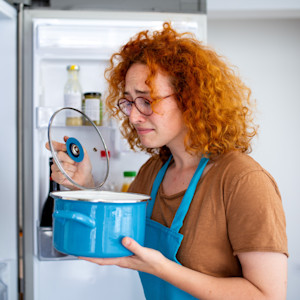
Whether you are running a restaurant kitchen or preparing meals at home, using leftover cooked vegetables is a great way to save time and make better use of the food you already have. Spare veggies can become quick sides, soup bases, grain bowl toppings, pasta add-ins or part of a tasty casserole.
The challenge is knowing how to store them so they stay safe and worth eating. As well as knowing how long you can go before they become a food safety issue. Some items keep their texture and taste for several days, while others turn mushy or stale sooner.
From proper cooling and storage practices to creative ways to incorporate leftovers into meals, this guide covers everything you should know when it comes to cooked vegetables.
How Long Are Cooked Vegetables Good in the Fridge?
According to United States Department of Agriculture (USDA) guidelines, cooked vegetables can be expected to last three to four days in the fridge when stored properly. The risk of spoilage and bacterial growth increases after four days, even if veggies still look and smell fine.
Storage Timelines for Different Types of Vegetables
Some veggies hold up better than others. Some stay firm and appetizing for several days, while softer, higher-moisture varieties may spoil sooner.
- Root vegetables: Carrots, potatoes and beets usually keep well for three to four days. Their firm texture and low moisture content help them hold up better than softer veggies.
- Cooked beans and legumes: Beans, lentils, chickpeas and peas can be expected to last three to four days in the fridge when stored properly.
- Soups and stews: These typically last three to four daysin the refrigerator. The exact timing depends on the recommended storage timelines of other ingredients, especially meat, seafood or dairy.
- Leafy greens: Spinach, kale, collards and the like are best eaten within one to three days. Due to their higher moisture content, they tend to wilt, darken and turn slimy faster than sturdier vegetables.
- High-moisture vegetables: Staple items like tomatoes, zucchini and cooked squash are best used within two to three days. Like leafy greens, they turn watery, mushy or slimy quicker than other varieties.
These ranges are useful guidelines, but you should still use your best judgment. If you inspect leftovers within the recommended storage timeline but find they show signs of spoilage, it is better to be safe and throw them out. Don’t gamble your health on dubious produce.
Signs That Cooked Vegetables Have Gone Bad
Before eating leftovers, check their smell, texture and appearance. If anything seems off, the best option is to throw them out.
When inspecting leftover cooked veggies, look out for:
- Slimy texture. A slick, sticky or slimy surface is a strong sign that vegetables are no longer good. Don’t try to rinse them in an attempt to save them. Throw them away.
- Sour or unpleasant smell. Leftover veggies shouldn’t smell sour, rancid or fermented. A bad odor is one of the clearest symptoms of bacterial growth. Dishes that incorporate properly fermented or pickled veggies, such as kimchi, are an exception.
- Mold growth. Fuzzy spots in white, green, black, blue or gray are likely mold growth. Because cooked vegetables are moist, mold can spread beyond the visible spots. Don’t just remove the moldy section; discard the entire portion.
- Major color or texture changes. Some color change is expected as food cools. But be cautious if veggies look unusually dark, dull, watery, mushy or broken down.
- Bubbling, foaming or pressure in the container. If food looks bubbly, fizzy or foamy, throw it out. Also discard it if the container appears swollen, bloated or inflated — or if you hear a hiss when opening it. These are signs of gas buildup from fermentation or spoilage.
Understanding these signs can help you judge if leftover veggies are still okay to eat. Sharp senses can help you avoid throwing away food that is still usable. But if leftovers look or smell questionable, discard them. Never taste suspicious dishes to check whether they are still edible. Bottom of Form
Proper Cooling and Storage Practices
Proper storage keeps produce fresh and tasty as long as possible. Once vegetables are cooked, be sure to cool them quickly, cover them and refrigerate them promptly within two hours.
To cool foods faster, divide large portions, like dense soups or stews, into small, shallow containers instead of storing them in one deep container. You can also place a container of hot vegetables in an ice bath for a few minutes before refrigerating, especially if you prepped a large batch to use later.
Store leftovers in airtight containers to prevent contamination and reduce moisture loss in the fridge or freezer. Briefly let steam escape before sealing the lid, but do not leave the food sitting out too long.
Store cooked vegetables in a refrigerator set at 40 degrees Fahrenheit or below. If you don’t plan to use leftovers within three to four days, freeze them instead. Use freezer-safe bags or containers and press out as much air as possible. Doing so reduces freezer burn, which can dry food out and leave it tasting bland.
For the best taste and texture, try to use frozen leftovers within three to four months. Food kept continuously frozen at 0 degrees Fahrenheit or below is technically considered safe indefinitely, but taste and quality decline over time.
Labeling Leftovers
This may seem like an unnecessary step, but thorough documentation makes food safety much easier. Use a piece of tape, a marker or a removable label to mark each container with the date on which the contents were cooked and the date by which they should be eaten. This tells you right away whether the vegetables are still within the recommended storage window. Without a label, you may have to guess. And guessing isn’t a safe way to handle leftovers.
This habit is useful at home and essential in professional kitchens. Use it to rotate older food forward, plan meals around deadlines and avoid serving food that has become a safety issue from being stored too long.
Special Considerations for Dishes with Cooked Rice, Pasta and Meat
Vegetables in cooked rice, pasta and meat-based dishes require additional precautions. Starchy foods like rice and pasta, when left to sit too long at room temperature, can grow Bacillus cereus, which causes food poisoning.
To avoid this, refrigerate rice dishes within two hours and eat them quickly. Use white rice and pasta dishes within three to four days. Brown rice should be eaten or discarded within four to six days.
Chicken, turkey, beef, pork and other cooked meats mixed with vegetables should also be eaten within three to four days. For mixed dishes, follow the shortest storage time for the most perishable ingredient.
Tips to Keep Leftovers Fresh Longer
A few simple storage habits keep leftovers fresher, tastier and safer during the recommended fridge window.
- Store leftovers in small, shallow, airtight containers so they cool quickly and evenly.
- Label containers with the date of cooking so you know how long they have been in the fridge.
- Avoid overcrowding the fridge. Good air circulation helps maintain a steady temperature.
- Portion leftovers into meal-sized servings before freezing so they are easier to thaw and reheat.
- Avoid freezing very high-water vegetables, such as lettuce or cucumbers, since they can become limp and mushy after thawing.
Good storage habits help you get the most out of your cooked vegetables while keeping your meals safe and enjoyable.
Reheating Leftover Vegetables Safely
Properly reheating leftover veggies ensures they are safe and enjoyable to eat. Before reheating, be sure to check for any signs of spoilage.
Reheat leftovers to an internal temperature of 165 degrees Fahrenheit. Use a food thermometer when possible, especially for dense vegetables, casseroles, soups, stews or mixed dishes. Check the temperature at multiple spots to ensure the food is heated through.
When using the microwave, place leftovers in a microwave-safe dish, cover it loosely and stir during reheating. Doing so prevents cold spots where bacteria can survive. If vegetables seem dry, you can add a splash of water before reheating.
Only reheat the portion you plan to eat. Repeated heating and cooling can affect quality and may increase food safety risks by causing leftovers to spend too much time at unsafe temperatures. Keep the rest refrigerated or frozen, and use it within the safe leftover storage window.
Incorporating Leftover Vegetables into Meals
Leftover veggies are easy to turn into new meals, which helps you save money and waste less food.
- Here are some ways you can reuse your spare produce:
- Add them to omelets, frittatas, quiches or casseroles.
- Stir extras into pasta, rice bowls, grain salads or stir-fries.
- Blend or puree excess portions into smoothies, soups or stews.
- Use spares as toppings for pizza, flatbreads, tacos, wraps or baked potatoes.
Repurposing leftovers helps you stretch your groceries and keep meals interesting throughout the week. A little planning can transform your extra vegetables into new dishes and exciting upgrades.
Turning Good Storage Habits into Safe Meals
Make a plan to use leftovers before they’re pushed to the back of the fridge. Doing so in tandem with good storage habits makes leftovers easier to use and trust. You’ll also reduce waste in your kitchen, save money and protect yourself and anyone else you cook for.
Build stronger food handling and safety habits with StateFoodSafety’s online food handler training. Our courses will help you learn safe practices and meet food handler training requirements in your area. Enroll today to learn how to keep every meal safe from prep to plate.