

Freezer Burn vs. Ice Crystals: What’s the Difference?
Written by Staff Writer
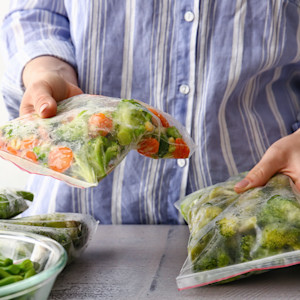
Frozen food is one of the easiest ways to reduce waste, save money and keep ingredients fresh longer. But if you’ve ever opened a package of frozen meat, vegetables or ice cream and noticed white patches, frost or icy buildup, you may have wondered whether the food is still safe to eat.
Two common issues in frozen foods are freezer burn and ice crystals. While they can look similar, they happen for different reasons and affect quality in different ways.
Understanding the difference between freezer burn and ice crystals can help you recognize when frozen items are still safe to eat, what affects texture and flavor, and how to store everything properly to maintain quality.
Freezer Burn vs. Ice Crystals at a Glance
Feature | Freezer Burn | Ice Crystals |
What it is | Moisture loss caused by air exposure | Icy moisture on or inside food |
Appearance | Dry gray, white or brown patches | Frosty or icy buildup |
Texture | Tough, leathery, dry | Usually unchanged unless excessive |
Main cause | Poor packaging or air exposure | Moisture freezing and temperature changes |
Effect on flavor | Can cause a stale or bland taste | Usually little effect |
Safety risk | Usually safe but lower quality | Usually safe |
Common items affected | Meat, seafood, bread, ice cream | Fruits, vegetables, frozen meals |
What Is Freezer Burn?
Freezer burn happens when frozen food is exposed to air. Over time, moisture escapes from the surface through a process called sublimation, where ice turns directly into vapor.
As moisture leaves, the surface becomes dry and dehydrated. Air exposure can also cause oxidation, which affects color and flavor.
Common Signs of Freezer Burn
Freezer-burned items may have:
- Dry white, gray or brown patches
- Tough or leathery texture
- Shriveled edges
- Frost inside the packaging
- Loss of flavor after cooking
Items Most Often Affected
Freezer burn is especially common in:
- Meat and poultry
- Fish and seafood
- Bread and baked goods
- Ice cream
- Leftovers
For example, freezer-burned steak may be dry and tough after cooking, while freezer-burned ice cream often becomes grainy.
What Causes Freezer Burn?
Freezer burn is usually linked to air exposure and long storage times. It commonly happens when:
- Packaging is loose or damaged
- Air is trapped inside freezer bags
- Product is not tightly wrapped
- Meals are stored too long in the freezer
What Causes Ice Crystals?
Ice crystals form when moisture freezes on the surface of food or inside packaging. Small crystals are completely normal in frozen items and usually harmless.
Large ice formation, however, often suggest the product experienced temperature fluctuations or partial thawing and refreezing.
Common Causes of Ice Crystals
Formation can occur when:
- Warm goods are placed directly into the freezer
- Frozen food partially thaws and refreezes
- The storage temperature changes frequently
- Packaging contains trapped moisture or air
- The door is opened often
When temperatures briefly rise, slight melting occurs. As the freezer cools again, the moisture refreezes into larger crystals.
Small vs. Large Ice Crystals
Small frost buildup usually has little effect on quality.
Large crystals can damage texture because expanding ice breaks down cell walls. This is why fruit may become mushy after thawing, or ice cream may turn crunchy.
Foods That Commonly Develop Ice Crystals
Frost buildup is especially common in:
- Frozen berries and fruit
- Vegetables
- Ice cream
- Frozen sauces and soups
- Ready-made frozen meals
Unlike freezer burn, ice crystals alone do not necessarily mean that damage occurred. In many cases, they are simply a sign of moisture freezing inside the package.
Are Freezer Burns and Ice Crystals Safe?
In most cases, yes. Both temperature conditions are quality issues rather than safety problems.
It’s generally safe to eat something if it has remained continuously frozen at 0 degrees Fahrenheit (-18 degrees Celsius) or below.
When Freezer-Burned Food May Not Be Safe
It’s a good time to toss something if you notice:
- Sour or rancid odors after thawing
- Slimy or sticky texture
- Evidence that the item thawed completely and stayed warm
- Severely damaged packaging or leaks
Otherwise, lightly freezer-burned goods can often still be used, especially in soups, stews, casseroles or other cooked dishes.
Does Frost Buildup Signify Spoilage?
Usually not. A small amount is normal and common.
Heavy buildup may indicate thawing and refreezing, which can reduce quality. Even then, texture changes are more common than safety problems.
Myths vs. Facts About Freezer Burn and Ice Crystals
The following myths and facts can help separate common freezer misconceptions from what actually happens during frozen storage.
Myth | Fact |
Freezer-burned food is unsafe to eat. | Freezer burn is usually a quality issue, not a safety issue, as long as the food remains frozen at 0 degrees Fahrenheit (-18 degrees Celsius) or below. |
Ice crystals always mean food has spoiled. | Small ice crystals are normal in frozen foods and often result from moisture freezing inside the package. |
Frost inside a package means you should throw the food away. | Frost may indicate moisture loss or temperature fluctuations, but it does not automatically mean the food is unsafe. |
Frozen food lasts forever without quality loss. | Frozen foods can remain safe indefinitely when kept frozen, but texture, flavor and appearance gradually decline over time. |
Refreezing always makes food unsafe. | Food that thawed in the refrigerator and stayed at a safe temperature can often be refrozen, though quality may suffer. |
Vacuum-sealed foods cannot develop freezer burn. | Vacuum sealing greatly reduces the risk but does not eliminate it, especially during long-term storage. |
As these examples show, freezer burn and ice crystals are usually signs of quality changes, not necessarily spoilage. Knowing what these conditions mean can help you avoid throwing away food prematurely while still recognizing when an item should be discarded.
When in doubt, check for signs of spoilage such as off odors, unusual textures or evidence that the food thawed and remained at unsafe temperatures.
How Long Can Frozen Food Last?
Freezing helps preserve goods by slowing bacterial growth and preventing spoilage, but frozen products do not maintain peak quality forever. Over time, exposure to air, moisture loss and temperature fluctuations can affect texture, flavor and appearance — even when the product is still safe to eat.
Many frozen items stay safe indefinitely at 0 degrees Fahrenheit (-18 degrees Celsius) or below, but quality gradually declines the longer they are stored.
General Freezer Storage Guidelines
Here are some recommendations for maintaining the best quality:
Food | Best Quality Time in Freezer |
Ground meat | 3 to 4 months |
Steaks and roasts | 4 to 12 months |
Poultry | Up to 12 months |
Fish and seafood | 2 to 6 months |
Bread and baked goods | 2 to 3 months |
Fruits and vegetables | 8 to 12 months |
Soups and leftovers | 2 to 3 months |
Ice cream | About 2 months |
These timeframes are based on maintaining the best texture and flavor, not necessarily food safety.
Why Quality Changes Over Time
Frozen goods slowly change during storage, even if you keep the temperature consistent. Moisture can evaporate from the surface, fats can oxidize and repeated temperature fluctuations can create larger crystals.
This is why older frozen items may become:
- Dry or freezer-burned
- Mushy after thawing
- Grainy or icy
- Less flavorful over time
Foods with higher water content, such as fruit and vegetables, are especially vulnerable to texture changes caused by freezing and thawing.
Tips for Maintaining Quality
To help frozen foods last longer and maintain better quality:
- Use airtight packaging for storage
- Remove as much air as possible before freezing
- Label items with freezing dates
- Keep freezer temperatures consistent
- Use older items first
Proper storage not only improves quality but also helps reduce waste.
How to Prevent Freezer Burn and Excess Ice Crystals
You can reduce both problems by storing items properly.
Tips for Better Storage
- Use airtight cold-storage bags or containers
- Remove as much air as possible before sealing
- Wrap foods tightly
- Use smaller portions for faster freezing
- Keep temperature at 0 degrees Fahrenheit (-18 degrees Celsius) or below
- Avoid opening the unit frequently
- Label with storage dates
Quick freezing helps create smaller crystals, which better preserve texture.
Take the Next Step in Food Safety Education
Want to improve food safety practices beyond proper storage? StateFoodSafety offers online food handler training, food manager certification, allergen awareness courses and HACCP training designed to help workers store, prepare and serve meals safely.
Explore accredited food safety training and certification programs today.