

How to Clean Restaurant Hoods: Complete Guide to Safety & Efficiency
Written by Staff Writer

Running a busy restaurant kitchen means dealing with heat, smoke and one unavoidable byproduct — grease. Over time, that grease collects inside your exhaust hood, filters and ductwork, creating both safety risks and compliance issues.
Knowing how to properly clean restaurant exhaust systems isn’t just about appearances — it’s essential to prevent fires, protect staff and keep your operation running smoothly.
This guide walks you through everything you need to know, from tools and prep to deep cleaning and long-term maintenance.
Why Clean Regularly?
Every time you cook, airborne grease particles rise into the kitchen exhaust hood and move through the exhaust system. Without routine cleaning, that grease turns into thick, flammable buildup.
A grease-laden duct is one of the leading causes of commercial kitchen fires. Even a small flame flare-up can travel through dirty ducts and spread rapidly.
Regulatory agencies and fire marshals often reference standards like NFPA 96, which outlines how frequently restaurant hoods should be cleaned and what acceptable conditions look like. Failure to comply can lead to fines, shutdowns or increased insurance costs for businesses and termination for workers.
Beyond safety, a clean system improves airflow, reduces odors and helps your kitchen run more efficiently.
Types of Commercial Hoods
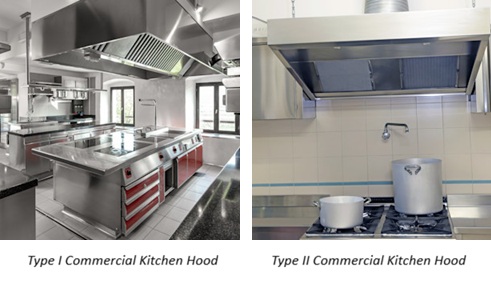
Understanding the type of hood you’re working with helps determine the best way to clean and maintain it properly. There are two main categories:
Type I
Designed for cooking equipment that produces grease and smoke, such as fryers, grills and ranges. These systems include grease filters and are connected to a full exhaust system. Because they handle grease-laden vapors, they require more frequent and thorough cleansing to prevent buildup and reduce fire risk.
Type II
These are used to manage heat, steam and odors — typically above ovens, dishwashers or pasta cookers. They don’t handle grease, so the cleaning process is less intensive, but regular maintenance is still important to ensure proper ventilation and efficiency.
Essential Tools and Safety Preparations
Before starting, you should know exactly what to do and what products you need. Commercial vent maintenance requires workers to come into contact with dangerous chemicals and heavy FOG (fats, oils and grease), so safety comes first.
Basic tools and supplies include:
- Heavy-duty degreaser
- Scrapers and brushes
- Non-abrasive pads
- Buckets for soaking
- Protective gloves and goggles
- Plastic sheeting or tarps
- A wet/dry vacuum (optional)
- A pressure washer (for deeper cleaning)
Buying a pressure washer can be a worthwhile investment for a larger kitchen, but it’s not always necessary for routine maintenance.
Prep steps:
- Turn off all cooking equipment
- Shut down electrical connections near the hood
- Cover appliances and surfaces with tarps
- Remove any food or utensils from the area
Taking time to prep properly makes the entire process safer and more efficient.
Disassembling Components
To effectively clean a kitchen exhaust, you’ll need access to each part of the system.
Start by focusing on the hood and filter assembly. Carefully remove filters from the hood. These are typically the dirtiest components and require separate attention.
Next, locate the grease trap tray beneath the hood. Slide it out slowly to avoid spills, as it often contains liquid FOG and debris.
Depending on your setup, you may also need to:
- Detach access panels
- Open inspection doors along the ducting
- Prepare access to the fan housing
Disassembly allows you to move through the cleaning process start to finish without missing hidden buildup.
Deep Cleaning Filters and Grease Traps
This is where the heavy lifting begins. Proper filter cleaning is essential because clogged filters restrict airflow and allow grease to pass deeper into the system.
Steps to clean filters:
- Fill a large container or sink with hot water and degreaser
- Place filters inside and allow them to soak for 15–30 minutes
- Scrub thoroughly to remove stubborn buildup
- Rinse with hot water and let them dry completely
For the trap, empty all contents into a proper disposal container. Then scrub and rinse thoroughly. This step alone can significantly reduce grease buildup and improve airflow throughout your kitchen exhaust.
Cleaning the Canopy and Interior Surfaces
With filters removed, you can now clean the hood vents and the interior canopy.
Apply a degreasing solution to all surfaces inside the hood, focusing on areas where FOG accumulates most heavily. Let the solution sit briefly to break down residue.
Then:
- Scrub all surfaces with brushes or pads
- Pay close attention to seams and corners
- Wipe down thoroughly with clean water
Cleaning restaurant hoods and keeping them spotless not only improves hygiene but also leaves a strong impression during inspections. This shows that you and your team are serious about compliance.
Tackling the Exhaust Fan and Motor Housing
The fan is a critical part of your exhaust system. It pulls air, smoke and sludge out of the kitchen. However, it’s also one of the most overlooked areas during routine hood cleaning.
Access the fan (usually located on the roof or upper structure) and inspect for grease deposits. Carefully clean:
- Fan blades
- Fan housing
- Surrounding surfaces
Avoid directly spraying electrical components. Instead, use controlled methods and minimal moisture. If FOG buildup is heavy, this may be a sign that your system needs more frequent attention or professional servicing.
Understanding and Addressing Exhaust Ducts
Cleaning exhaust ducting is one of the most challenging parts of the process — and also the most important.
Ducts connect the hood to the fan. Over time, they collect layers of grease that are difficult to reach. While staff can usually handle basic access panels, fully addressing restaurant exhaust ducting often requires specialized tools and training.
Reassembly, Testing and Final Inspection
Once all components are cleaned and dry, it’s time to reassemble the system.
- Reinstall filters securely
- Replace the grease tray
- Close all access panels
- Remove tarps and coverings
Turn the system back on and test airflow. Listen for unusual noises and confirm that the fan is operating correctly.
Finally, perform a visual inspection. A properly cleaned restaurant hood should be free of visible FOG and residue.
Establishing a Regular Clean-Up Schedule
Consistency is everything when it comes to keeping hoods in top shape.
How often should systems be cleaned? That depends on usage. For example:
- High-volume and high-performance kitchens (e.g., a Chinese restaurant hood setup): Monthly cleaning may be necessary.
- Moderate use: Quarterly maintenance is typical.
- Low-volume operations: Semi-annual touch-ups may suffice.
A good rule of thumb is to inspect regularly and adjust your schedule based on grime accumulation.
Regular maintenance helps reduce long-term costs, improves efficiency and ensures compliance with fire safety standards.
When to Call a Professional
While in-house cleaning is important, there are times when hiring a pro is the best option.
Consider professional service providers when:
- FOG is extensive
- Ducts are inaccessible
- You need documentation for inspections
Attempting to take on more complex work than you or your staff members are qualified for can make matters worse. You may end up having to pay for costly repairs or a new system.
Professionals use advanced equipment and follow strict hood cleaning procedures to ensure every component is addressed.
In many cases, professional service isn’t just recommended — it’s required to meet local regulations and NFPA 96 standards.
Best Practices for Ongoing Management
Keeping restaurant hoods clean isn’t just about periodic deep cleaning. Daily habits make a big difference.
Simple best practices include:
- Wipe down hood surfaces at the end of each shift
- Empty the grease trap tray regularly
- Train staff on proper kitchen exhaust cleaning basics
- Monitor airflow and odors
- Schedule routine inspections
Remaining proactive helps prevent fires, extend equipment life and reduce the need for costly repairs.
Stay Proactive Instead of Reactive
Learning the proper way to clean a restaurant exhaust system is a critical skill for any kitchen operation. From removing filters and scrubbing the canopy to understanding when to call in a pro, each step plays a role in maintaining a safe and efficient environment.
By committing to consistent practices and staying ahead of FOG accumulation, you protect your staff, your customers and your business in the long run.